

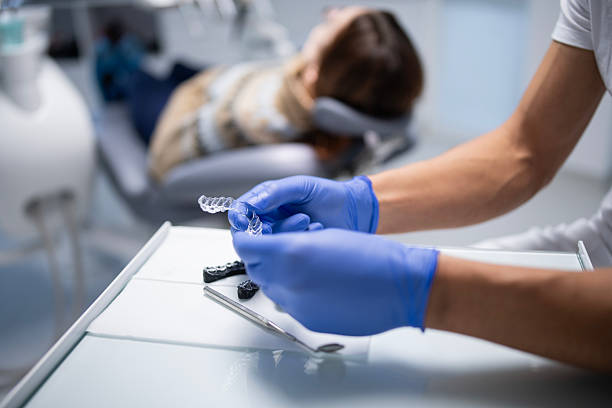
Can you get Invisalign if your teeth overlap, your bite feels uneven, or you already have crowns? What if you wore braces years ago and your teeth have shifted again? Many adults can be candidates for Invisalign, but the answer depends on your oral health, the movements your teeth need, and whether clear aligners are a suitable way to reach your goals. At Flanders Dental Studio in East Lyme, CT, you can discuss these concerns and explore what an individualized evaluation involves.
You do not need to know which treatment you qualify for before booking a visit. An evaluation helps clarify whether your teeth and gums are ready for movement, how your upper and lower teeth fit together, and what treatment would require day to day.
This guide explains the main factors behind Invisalign candidacy so you can arrive with useful questions and a clearer sense of your options.
What Makes Someone a Good Candidate for Invisalign?
A good candidate for Invisalign generally has healthy or well-managed teeth and gums, alignment needs that clear aligners can address, and the ability to follow a daily wear schedule. Your goals matter, too: the proposed changes should be achievable while respecting the health of your teeth and their supporting tissues.
Two people with similar-looking smiles may need different plans. An examination helps explain why Invisalign treatment in East Lyme, CT may suit one person’s needs while another person benefits from a different approach.
Healthy Teeth and Gums Provide the Foundation for Invisalign Treatment
Orthodontic treatment moves teeth through changes in the bone and tissues that support them. That makes the health beneath your gumline just as important as the appearance of your smile.
Active cavities, untreated infections, and gum inflammation may need care before aligners begin. If you have periodontitis, a form of gum disease that damages tooth-supporting tissues, the dentist needs to assess disease control and remaining support before recommending movement.
A history of periodontal treatment does not automatically rule you out. Some adults with stable, managed disease can receive orthodontic care with coordinated monitoring. If your gums bleed or you have been told you have bone loss, ask how gum disease treatment fits into your preparation.
Mild to Moderate Alignment Problems May Be Suitable for Clear Aligners
Mild to moderate crowding, overlapping teeth, and certain gaps are common reasons adults consider clear aligners. These concerns can make Invisalign worth discussing, but they do not establish eligibility on their own.
The dentist also considers root positions, available space, tooth rotation, and how the bite would change as teeth move. A front tooth that looks only slightly crooked may still need careful planning if moving it affects contact with the opposite teeth.
Our article on Invisalign for crowding and spacing explains how these concerns can overlap with bite issues.
Realistic Expectations and Consistent Aligner Wear Matter
Clear aligners work only while they are being worn. Invisalign treatment typically calls for 20–22 hours of daily wear, with removal for meals, drinks other than plain water, and oral hygiene. Your provider sets your instructions and tray-change schedule.
Being a suitable clear aligner candidate also means understanding follow-up visits and retention after treatment. Retainers help limit shifting once active tooth movement ends.
Consistent participation supports treatment, but it does not guarantee every planned movement will happen exactly as expected. Progress checks allow your provider to assess your response and discuss adjustments when needed.
What Dental Problems Can Make You a Candidate for Invisalign?
Crowding, gaps, certain bite problems, and shifting after braces can all be reasons to consider Invisalign. The important question is whether the movements needed for your particular teeth can be carried out appropriately with aligners.
Crowded or Overlapping Teeth
Crowding occurs when the available space does not allow teeth to sit in proper alignment. Teeth may overlap, twist, or sit in front of or behind their neighbors.
When assessing Invisalign for crowded teeth, a dentist looks beyond the visible overlap. They consider how much room is needed, which teeth must move, and whether those changes are compatible with the surrounding bone and bite.
Adult dental crowding can involve one small area or a broader pattern. Ask how the plan would create or redistribute space and whether any additional procedures would be needed. This helps you understand the proposed treatment before committing to it.
Gaps and Uneven Spacing Between Teeth
Aligners can reduce certain spaces by moving teeth closer together. Planning starts with understanding why the space exists.
Small teeth, missing teeth, and changes related to periodontal disease can all affect spacing. Closing every visible gap may not be the right goal if some space is needed for a future restoration or if the teeth need different proportions to achieve the intended appearance.
Mention any gap that is new or getting wider. The dentist should assess the reason for the change before treating it as an alignment concern alone.
Overbite, Crossbite, and Other Bite Alignment Problems
Some bite problems respond to clear aligners, sometimes with attachments or orthodontic elastics. Candidacy depends partly on whether the problem comes mainly from tooth positions, jaw relationships, or both.
An overbite describes the vertical overlap of the upper front teeth over the lower front teeth. Some overlap is normal; excessive overlap is often called a deep bite. A crossbite occurs when one or more upper teeth bite inside the lower teeth instead of outside them.
An open bite leaves a gap between opposing teeth when other teeth meet. These patterns require different treatment plans, even when each is described simply as an uneven bite.
For adults with substantial jaw discrepancies, moving teeth alone may not fully address the concern. Specialist assessment can help clarify what aligners, additional treatment, or another approach could achieve.
Teeth That Shifted After Previous Orthodontic Treatment
Previous braces do not prevent you from qualifying for Invisalign. Teeth can move after treatment, and some adults seek aligners to address renewed crowding or spacing.
This is often called orthodontic relapse. A small change in one area may require a different plan from relapse that also affects how the back teeth meet.
If you are concerned about teeth that shifted after braces, bring your retainer and explain when you first noticed the change. Your provider can assess your current alignment and discuss how future retention would support the proposed correction.
Can You Qualify for Invisalign If You Already Have Dental Work?
Existing dental work does not automatically prevent Invisalign treatment. The type, location, and condition of each restoration help determine what can move and how treatment should be planned.
Invisalign With Dental Crowns or Fillings
A crown covering a natural tooth does not necessarily stop that tooth from moving orthodontically. The root and supporting tissues remain part of the natural tooth, even though its visible surface has been restored.
The dentist checks the crown or filling, the remaining tooth structure, and the health around the tooth. If an attachment is needed, the restoration’s surface may affect how it is bonded. Attachments are small shapes bonded to selected teeth to help aligners apply planned forces.
Restorations can sometimes loosen or need repair during treatment. Ask whether any existing work needs attention first and how it will be monitored. A crown supported by an implant requires different planning from a crown on a natural tooth.
Invisalign With Dental Bridges or Implants
A healed dental implant is anchored directly to the jawbone and cannot be moved orthodontically like a natural tooth. If you have an implant, any plan must account for its fixed position while considering movement of the surrounding natural teeth.
A fixed bridge creates another limitation: it joins teeth or replacement teeth together. Connected supporting teeth cannot simply move independently while the bridge stays unchanged.
Having a bridge or implant may still leave room for orthodontic treatment elsewhere in the mouth. However, its position can limit the result or require coordination with restorative care. If you are missing a tooth and considering a replacement, discuss the sequence before starting either treatment.
Invisalign After Dental Bonding or Cosmetic Treatment
Bonding, veneers, and other cosmetic restorations need to be included in the evaluation. Their shape and material can influence aligner fit, attachment placement, and the appearance you can expect after movement.
If you want both straighter teeth and changes to tooth shape, discuss those goals together. Repositioning teeth may change where cosmetic work is needed, while reshaping a tooth after aligners are made can affect tray fit.
Coordinating alignment with cosmetic dentistry options helps establish an appropriate order of care. You should understand which concerns tooth movement can address and which may need a separate treatment.
What Could Make Invisalign Less Suitable for an Adult?
Invisalign may be less suitable when oral disease is uncontrolled, the required movements are difficult to achieve with aligners, or consistent daily wear would be impractical. These concerns can affect timing, treatment design, or the choice of appliance.
Untreated Gum Disease or Significant Dental Problems
Active gum disease, untreated decay, or dental infection may mean your mouth needs care before orthodontic movement. Starting with those problems unresolved can place already vulnerable teeth and tissues at further risk.
This may be a question of readiness rather than permanent ineligibility. After treatment, the dentist can reassess your health and explain whether orthodontic care is appropriate.
If periodontal damage has reduced tooth support, treatment may need closer coordination with a periodontist. The amount and direction of movement must suit the support that remains. Let the team know about symptoms, previous treatment, and any changes since your last dental examination.
Severe Bite Discrepancies or Complex Tooth Movements
Some movements are harder to control predictably with aligners than others. Significant rotations, certain root movements, and substantial changes in bite relationships may need added mechanics, specialist care, or a different appliance.
The word “severe” does not automatically mean you need braces or surgery. It signals the need to understand the full problem and the limits of each option.
Ask what part of your concern the proposed plan would correct and whether anything would remain. If a plan focuses on appearance while leaving a bite discrepancy, that limitation should be explained before treatment begins.
Difficulty Wearing Aligners Consistently
Removable treatment needs to fit your actual routine. Frequent snacking, long periods without trays, or difficulty remembering to put them back in can make the prescribed wear schedule challenging.
Discuss those concerns openly. Your provider can explain the routine and help you consider whether it is realistic for you.
For some people, a fixed appliance may be more practical because it stays in place. It still requires cleaning and follow-up care, but it removes the task of remembering daily insertion. Choosing an approach you can maintain is a useful part of treatment planning.
Is There an Age Limit for Invisalign Treatment?
There is no universal upper age cutoff for orthodontic treatment. Adults can be evaluated for Invisalign at different stages of life, with suitability based on dental health, supporting tissues, and treatment needs.
Can You Get Invisalign in Your 30s, 40s, or 50s?
Yes, potentially. Being in your 30s, 40s, or 50s does not by itself prevent you from receiving clear aligners. Older adults may also qualify.
Your evaluation should reflect your current mouth: gum health, bone support, restorations, missing teeth, and the changes you want to make. Age alone does not show how straightforward or complex treatment will be.
If you have put off asking because you thought you missed your opportunity, a consultation can give you a more useful answer. You can learn whether treatment is appropriate without assuming that your age settles the question.
How Does Adult Tooth Movement Differ From Treatment in Teenagers?
Adult teeth can move, but adults generally have completed jaw growth. That affects the options available when a bite problem involves the size or position of the jaws.
Some younger patients can benefit from treatment that works with remaining growth. Adult planning cannot rely on that same opportunity. Tooth movement may still improve alignment, while substantial skeletal concerns may require a specialist discussion about other options.
Our guide to how Invisalign moves teeth offers more detail about the process. Your provider can explain how those principles apply to your teeth and bite.
What Happens During an Invisalign Candidacy Evaluation?
An Invisalign evaluation brings your goals together with an examination and appropriate dental records. It should help establish whether aligners are suitable, whether other care is needed first, and what the treatment would involve.
Reviewing Your Dental Health and Treatment Goals
Expect to discuss what you would like to change and why it matters to you. You might want to address a crowded front tooth, reduce a gap, or understand why your teeth no longer meet comfortably.
Your provider also reviews relevant dental and medical history. Mention previous orthodontics, gum treatment, dental injuries, restorations, medications, and health conditions.
Be specific about your expectations. Asking whether treatment can address your main concern helps start a more useful conversation than asking only whether you qualify for the product.
Examining Tooth Alignment, Gum Health, and Bite Relationships
The examination looks at how your teeth are positioned and how they meet. It also checks the condition of your gums, teeth, and existing restorations.
Gum measurements and an assessment of tooth support may be part of this review. Areas of recession, tooth mobility, or previous periodontal damage need attention when planning movement.
This is why photographs alone cannot establish candidacy. A smile may look suitable for a small cosmetic change while an examination reveals factors that alter the safest or most appropriate plan.
Using Dental Records and Digital Planning to Assess Tooth Movement
Photographs, X-rays, impressions, or digital scans may be used as appropriate. These records provide different information: a scan captures tooth surfaces, while X-rays can help assess roots and supporting bone.
Digital planning helps organize proposed tooth movements and communicate treatment goals. A preview is a planning tool, however, rather than a promise that your teeth will match every projected movement.
Ask how progress will be checked against the plan. Monitoring allows your provider to identify when teeth are not responding as intended and discuss whether changes or additional aligners are needed.
Discussing Whether Invisalign or Another Approach Is More Appropriate
After reviewing the findings, your provider should explain the recommendation in terms you understand. That includes treatment limits, daily responsibilities, relevant risks, and reasonable alternatives.
You may be ready for aligners, need dental care first, or benefit from an orthodontic specialist’s evaluation. Ask why a particular option is recommended for your circumstances.
You should leave with a clear next step. If you are uncertain about part of the plan, asking for more explanation is a normal part of making an informed choice.
How Can You Prepare for an Invisalign Consultation in East Lyme, CT?
Prepare by noting your concerns, gathering relevant dental history, and writing down questions about the proposed treatment. You do not need to arrive with a diagnosis or know which appliance you want to choose.
Identify What You Want to Change About Your Teeth or Bite
Think about the changes you notice in daily life. Perhaps one tooth overlaps another, a gap shows when you smile, or your bite feels different from how it used to feel.
Point out any chewing discomfort as well as appearance concerns. Discomfort can have more than one cause, so it should be assessed rather than assumed to be something Invisalign will resolve.
If several things bother you, identify your main priority. That helps your provider explain whether the same treatment can address all your goals.
Share Your Dental History and Existing Restorations
Tell the team about crowns, bridges, implants, bonding, and previous periodontal treatment. Mention past braces, whether you still wear retainers, and any dental work already being planned.
Bring a current retainer if you have one and ask whether the office needs records from another provider. Knowing about upcoming restorative care helps the team consider treatment order.
If dental visits make you anxious, share what usually helps. You can ask for explanations before each step or discuss comfort preferences before the examination begins.
Ask About Treatment Limitations, Wear Time, and Retention
Useful questions include:
- What changes can Invisalign reasonably achieve for my teeth and bite?
- Do I need other dental treatment first?
- Would I need attachments, elastics, or additional procedures?
- What daily wear schedule would you prescribe?
- How will you check my progress, and what happens if movement falls behind the plan?
- Could I need additional aligners, and how are they handled?
- What retainer routine would follow treatment?
You can also ask about fees and what is included in the proposed care. Understanding the responsibilities and possible adjustments helps you decide whether the plan fits your needs.
FAQs About Invisalign Candidacy
How do I know if I am a good candidate for Invisalign?
A clinical evaluation is needed to determine whether Invisalign is appropriate for you. Your dentist or orthodontist assesses your teeth, gums, bite, and the movements required to reach your goals. They also discuss daily wear and follow-up care. A photo or online checklist can help you identify questions, but cannot confirm eligibility.
Can adults with crowded teeth qualify for Invisalign?
Yes, many adults with crowded teeth may qualify for Invisalign. The amount of crowding is only one factor; rotations, root positions, available space, and bite relationships also matter. Your provider needs to determine how space would be managed and whether aligners can accomplish the required movements within the limits of your supporting tissues.
Can I get Invisalign if I have gum disease?
Possibly, if the disease has been treated and your periodontal health is stable enough for tooth movement. Active gum disease generally needs attention before orthodontic treatment. A history of disease does not automatically exclude you, but reduced bone support may affect the plan and require coordination with a periodontist and ongoing monitoring.
Can I get Invisalign if I have crowns?
Often, crowns do not automatically prevent Invisalign treatment. A natural tooth covered by a crown may still move, provided the tooth and supporting tissues are suitable. Your provider checks the restoration and considers any attachment needs. A crown supported by a dental implant is different because the implant cannot move orthodontically like a natural tooth.
Is Invisalign suitable for adults over 40?
It can be. Being over 40 does not automatically make you ineligible for Invisalign, and there is no universal upper age limit for orthodontic care. Your provider evaluates current gum health, tooth support, existing dental work, and treatment needs. These findings help determine whether clear aligners are an appropriate option for your individual circumstances.
Can Invisalign treat both crooked teeth and bite problems?
In some cases, Invisalign can address tooth alignment and bite concerns within one plan. Whether it can do so for you depends on the type of bite problem and the movements needed. Problems involving substantial jaw discrepancies may need additional treatment or specialist care. Your evaluation should clarify what the proposed plan would and would not correct.
What happens if I am not a candidate for Invisalign?
Your provider can explain the reason and discuss next steps. You may need decay or gum disease treated before reconsidering aligners, or another orthodontic approach may better suit your needs. A specialist evaluation may also be recommended. Learning why Invisalign is unsuitable helps you understand which options could still address your concerns.
Find Out Whether Invisalign Is Right for You in East Lyme, CT
Wondering whether you are a good candidate for Invisalign? You can begin by discussing the tooth alignment, bite, or dental health concerns that matter to you. An individualized assessment can help you understand what is possible and whether any care is needed before treatment.
At Flanders Dental Studio, we welcome your questions and can help you understand the next steps toward evaluating your options.
